 Polski
 English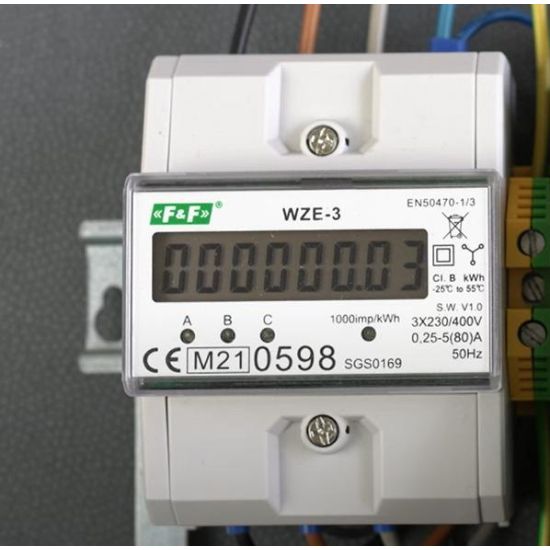
Electricity meters are also referred to as energy meters, power consumption meters or current meters.
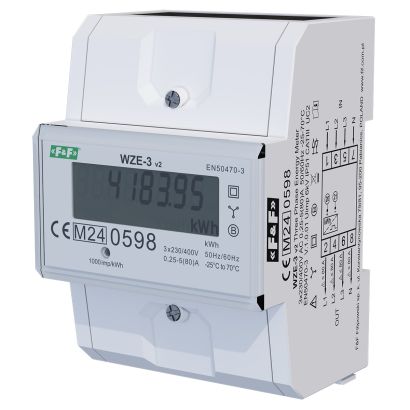
Electricity meters are measuring devices that continuously count the amount of electricity consumed.
Depending on the type of measuring system, we distinguish between direct current meters and semi-direct electricity consumption meters.
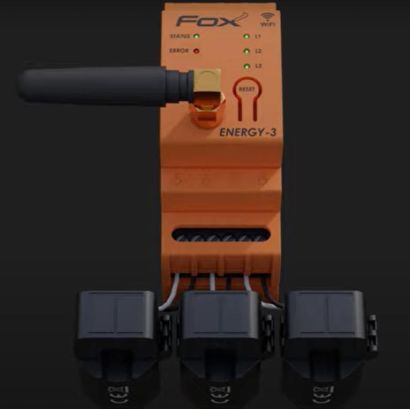
Two types of measuring systems are used in low-voltage networks. In a direct system, the voltages and currents in the network do not exceed the permissible values of the meter. Such meters are called direct meters. In a semi-direct system, values exceeding the permissible values of the meter flow from the network, and current transformers are then used. Meters operating in this way are called semi-direct meters.
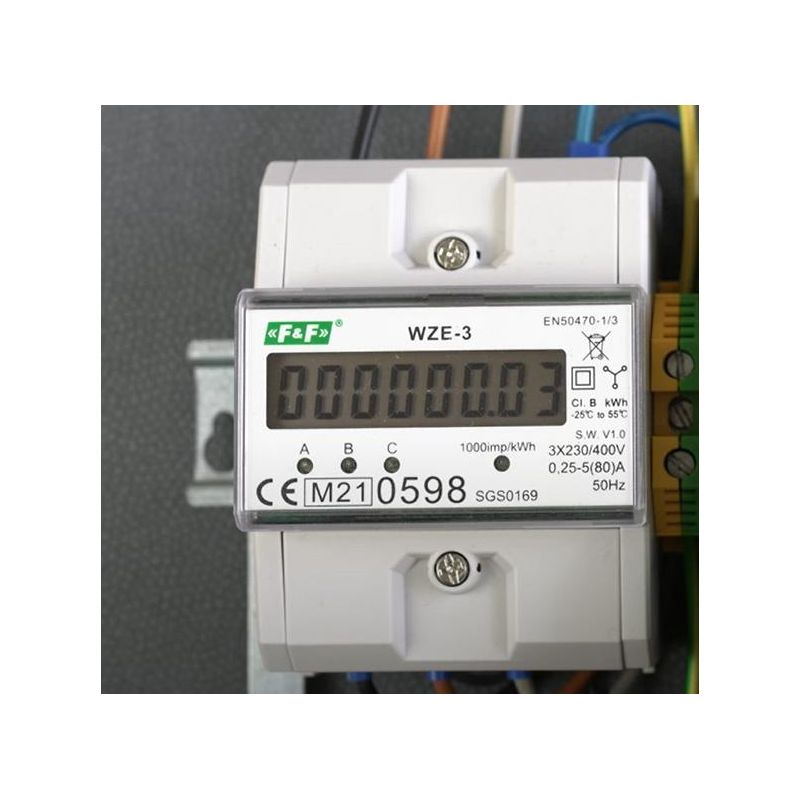
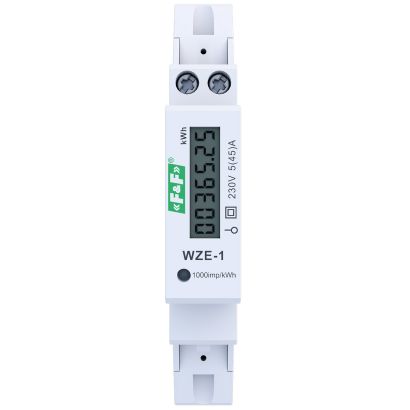
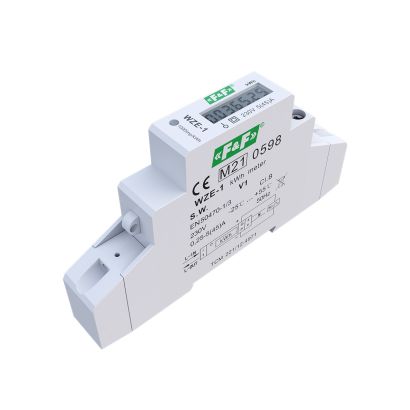
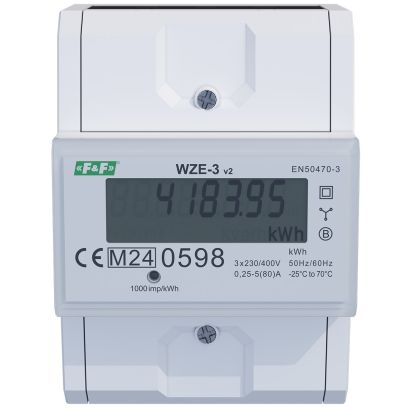
Similarly, depending on the type of electrical installation, we distinguish between single-phase and three-phase electricity meters.
AC electricity consumption meters are equipped with an electronic system which, under the influence of the flowing current and the applied voltage in each phase, generates pulses in an amount proportional to the electricity consumed in a given phase. The sum of the pulses is converted into the energy consumed, and this value is shown on the LCD displays of the meters.
Electricity consumption meters are used in situations where it is necessary to settle the electricity consumption between the supplier and the consumer. Certified meters are used for this purpose, as indicated by an individual marking on the device housing. In addition, such a meter should have the option of sealing the input and output terminal covers, which prevents it from being bypassed or circumvented.